DEATH CARE (2026)
Exhibition with 4K video piece, textile pieces, photographic pieces, workshops and gatherings
Photo credit : Kevin Malcolm
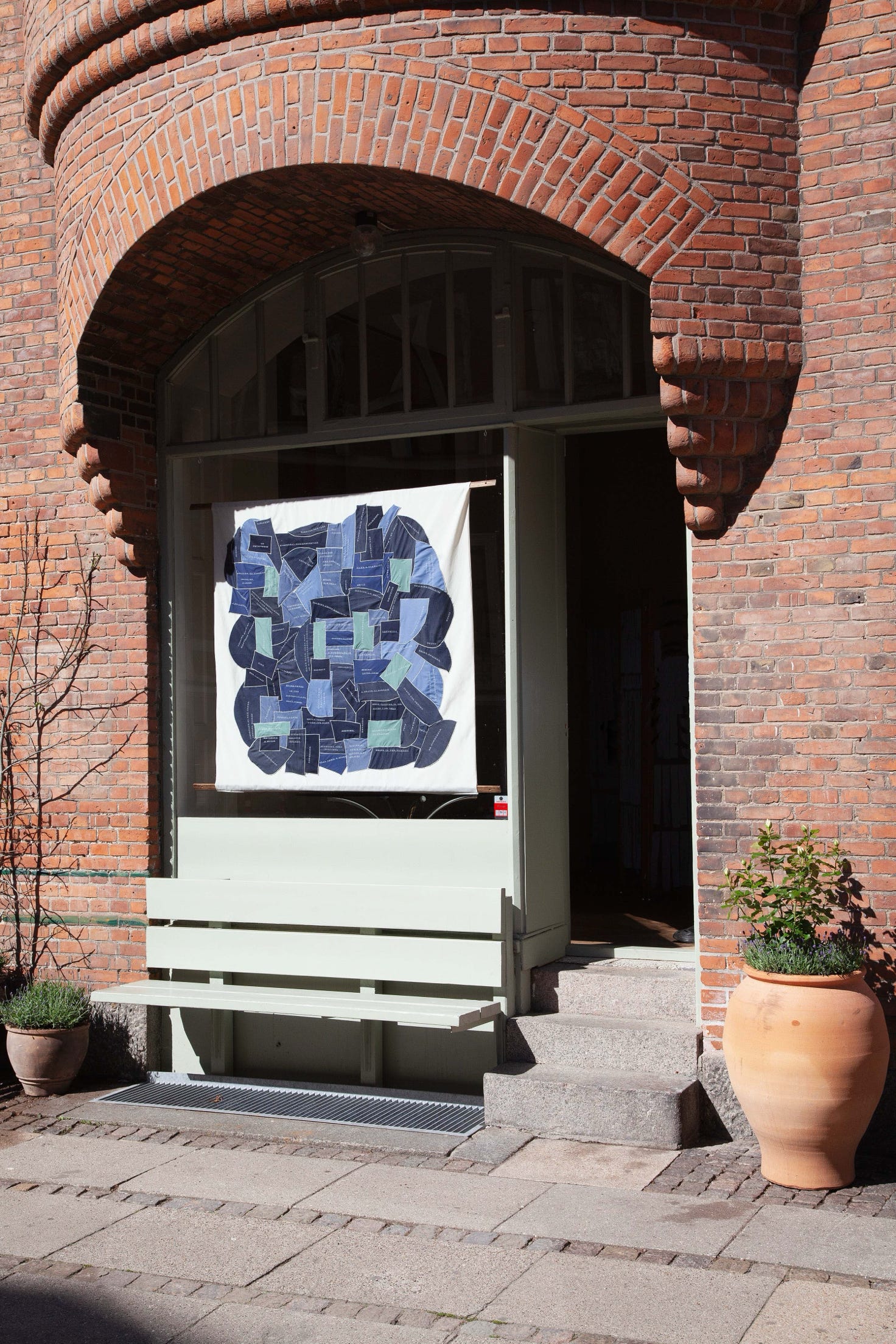
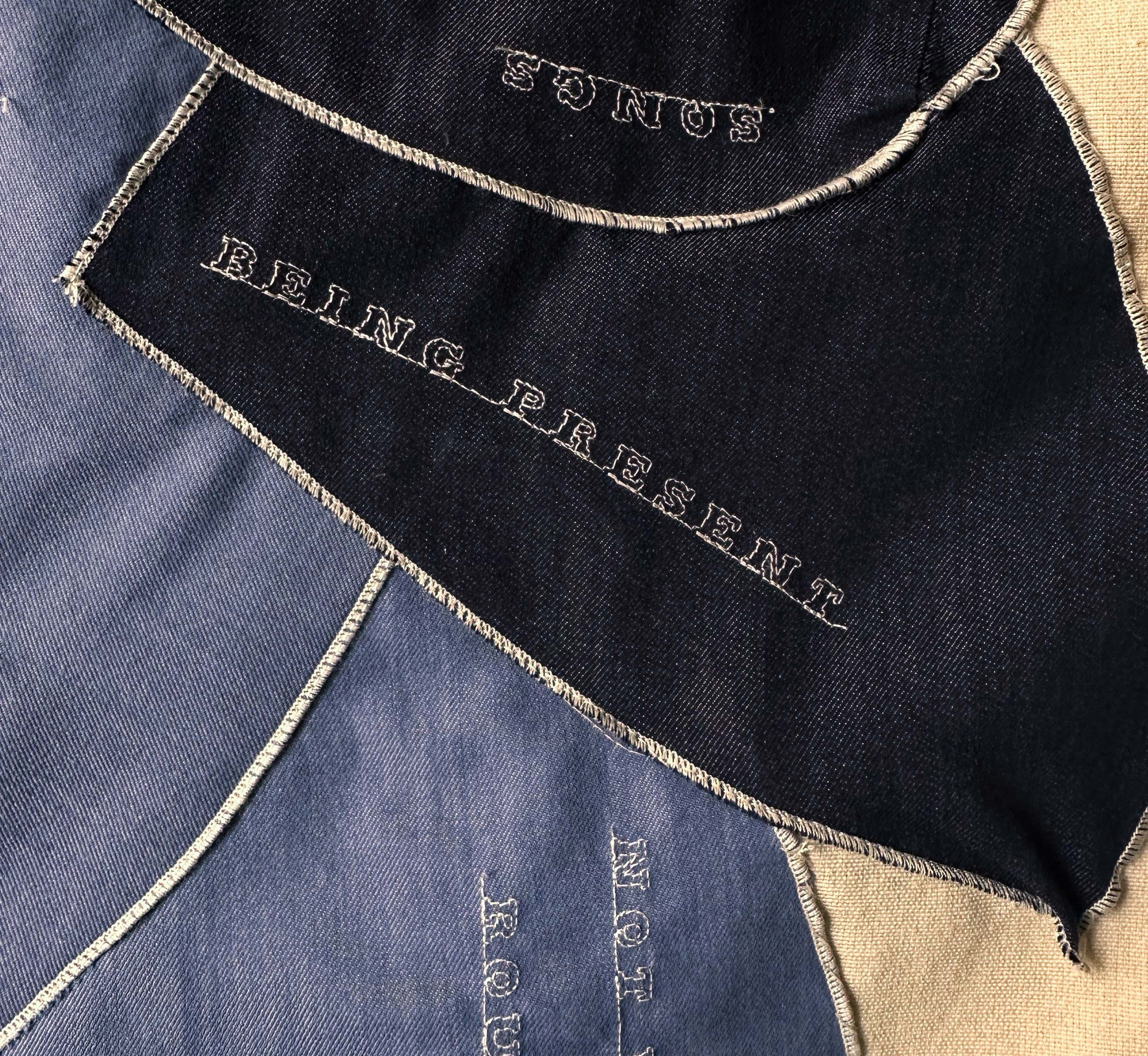
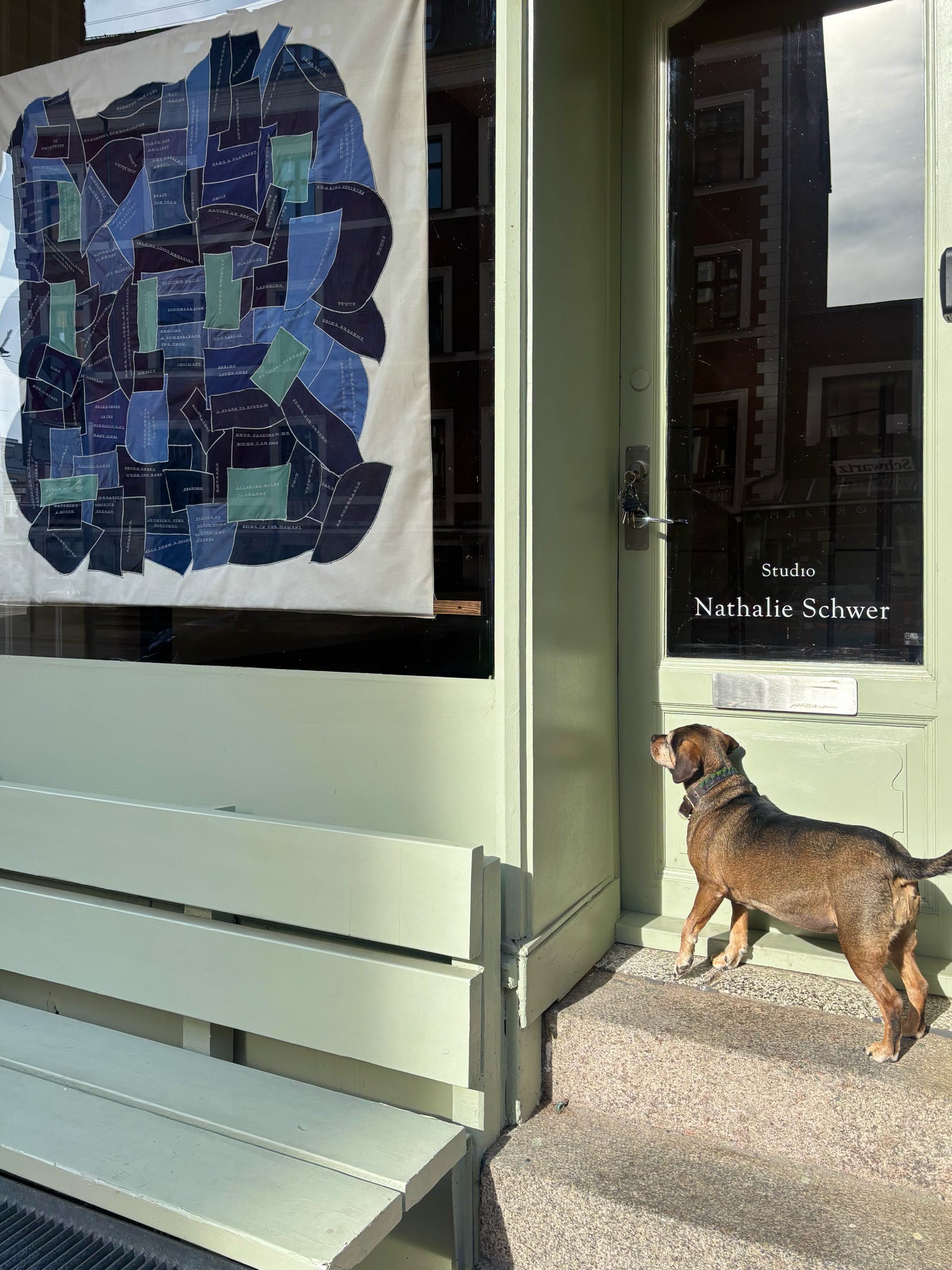
Death Care Map (2026)
Textile piece made from repurposed care worker uniforms, 136x140 cm
Collaboration between Julie Born Schwartz, space designer Studio Nathalie Schwer
and students from Frederiksberg Gymnasium (visual arts class xz, 2026)
This project emerges from Julie Born Schwartz’s artistic PhD project, where she explores how art works, gatherings & workshops can open up new spaces for dialogue around life’s final phase. In “Death Care” she examine non-pharmacological care within the human dying process. This kind of care could for example be; music, visits from animals or aromatherapy. This research project addresses what currently constitutes as “Death Care” within the dying process of a terminally ill human, and it examine how this can be developed.
The research takes inspiration from non-pharmacological care-methods which she have observed in her fieldwork at different palliative departments in Switzerland and Denmark, alongside with her training as a Death Doula. A Death Doula is a non-medical role focused on supporting individuals and their relatives through the end of life.
This practice centres on presence, compassion, active listening and facilitating conversations around dying.
The aim of this research project is to examine though workshops and fieldwork the following questions; What is “Death Care” in the dying process? And what could future “Death Care” in the dying process be developed into- both within the the private sphere and within a public health care system?
Over several visits to “Elis”, a factory supplying care worker uniforms in Denmark, Born Schwartz was given repurposed care-workers uniforms. Friday 17th April 2026 she made a workshop, together with space designer Studio Nathalie Schwer, at Frederiksberg Gymnasium with the visual arts class xz, 2026 and their art teacher Sara Tanderup.
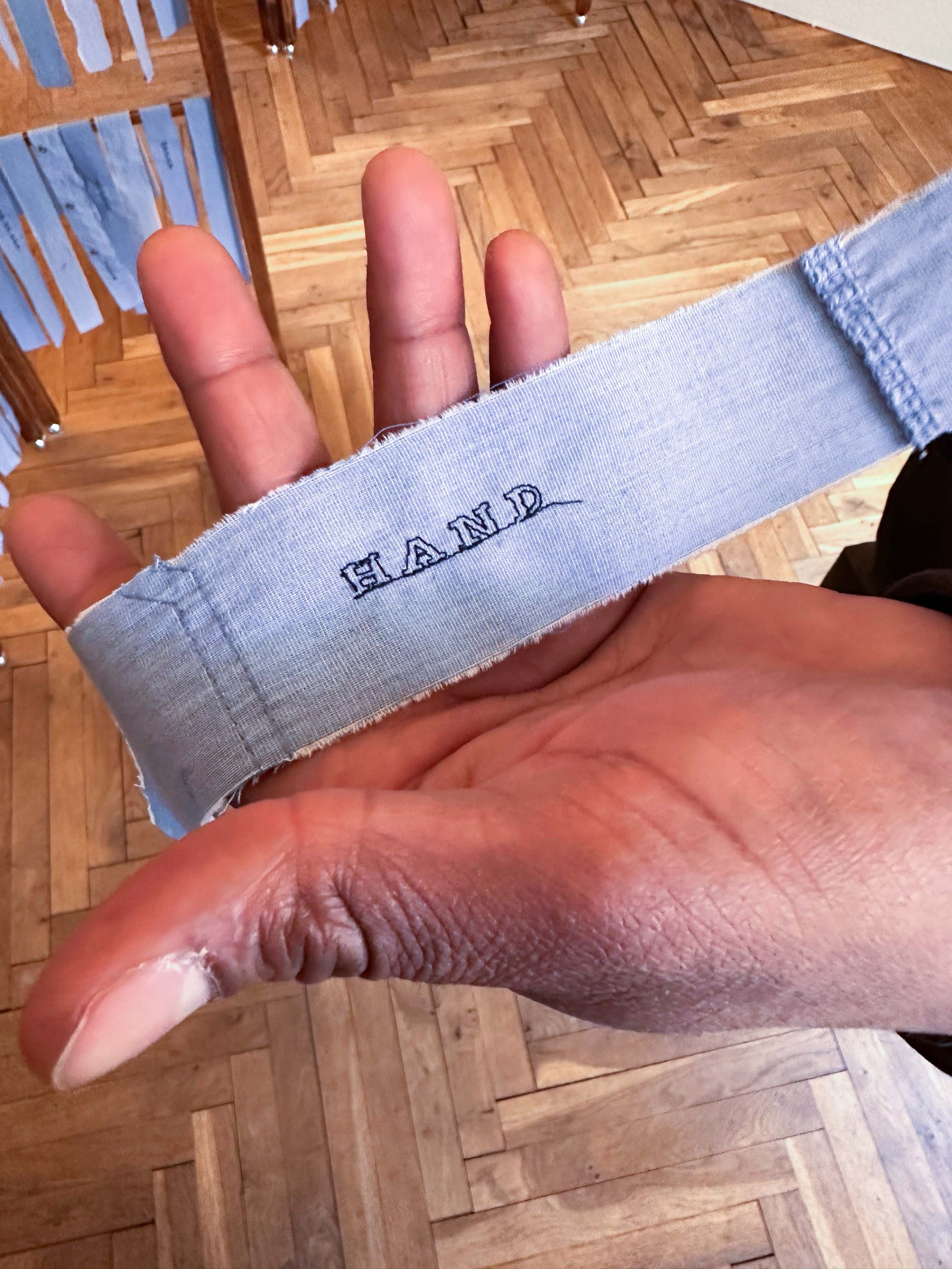
In the workshop they explored “Death Care words” - together they reflected on how to articulate and contribute to the nurturing and care within the dying process of someone who is terminally ill. And just as important, what this kind of care could be developed into in the future. The students worked in groups and came up with words which they wrote on post-it notes. These were then pinned on to the pieces of repurposed care-workers uniforms. In the following weeks Born Schwartz first sewed the “care words” onto the small textile pieces from the repurposed care-workers uniforms.
After this, she sewed all the different pieces together to one big textile piece which took form as a Death Care Map.
This piece was shown in the window of the exhibition “Death Care” from 7th May -21th May at Studio Nathalie Schwer’s office at Vodroffsvej 39, 1900 Frederiksberg C, Denmark. This space is located in the middle of a residential area and used to be a grill bar.


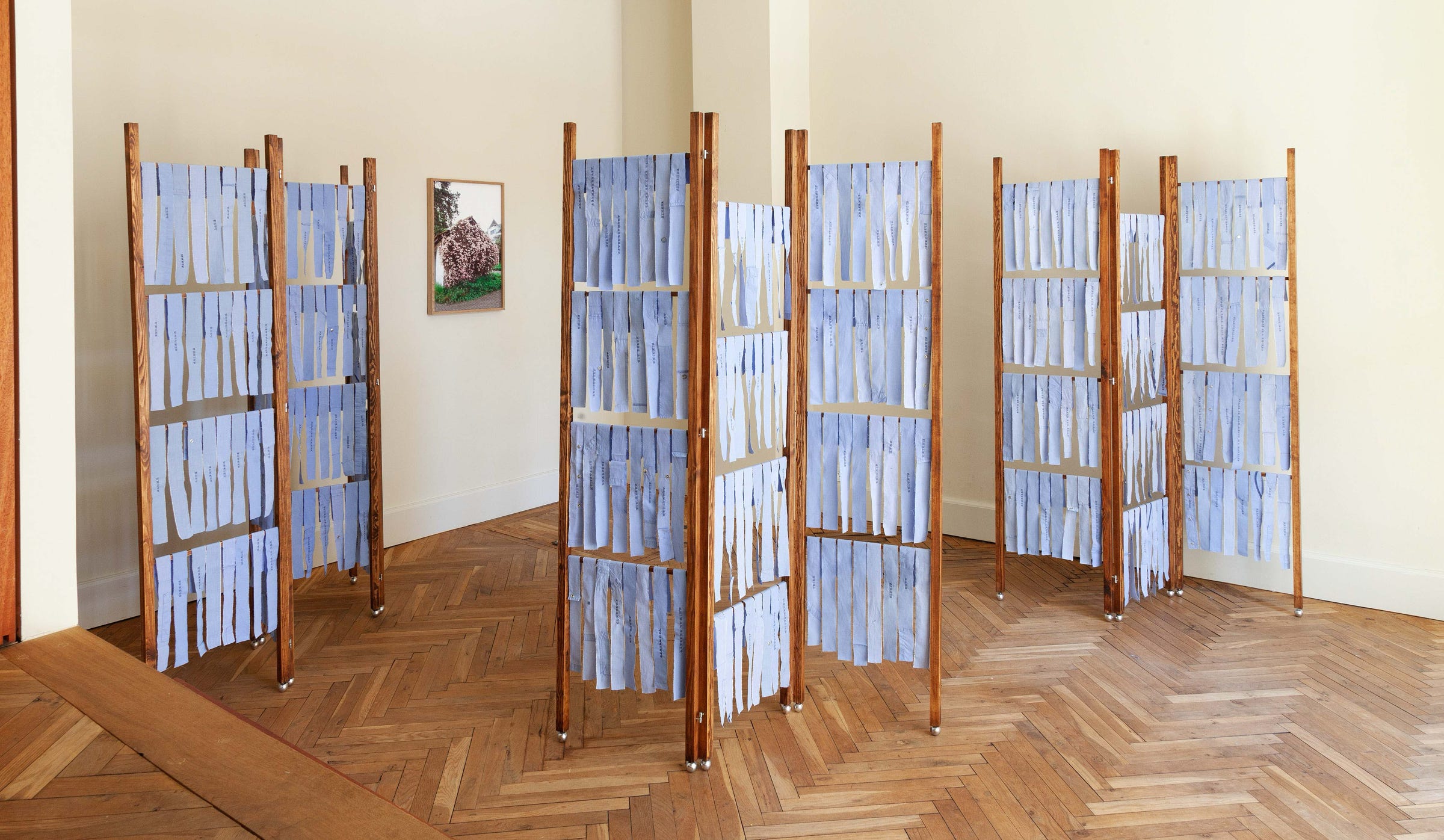
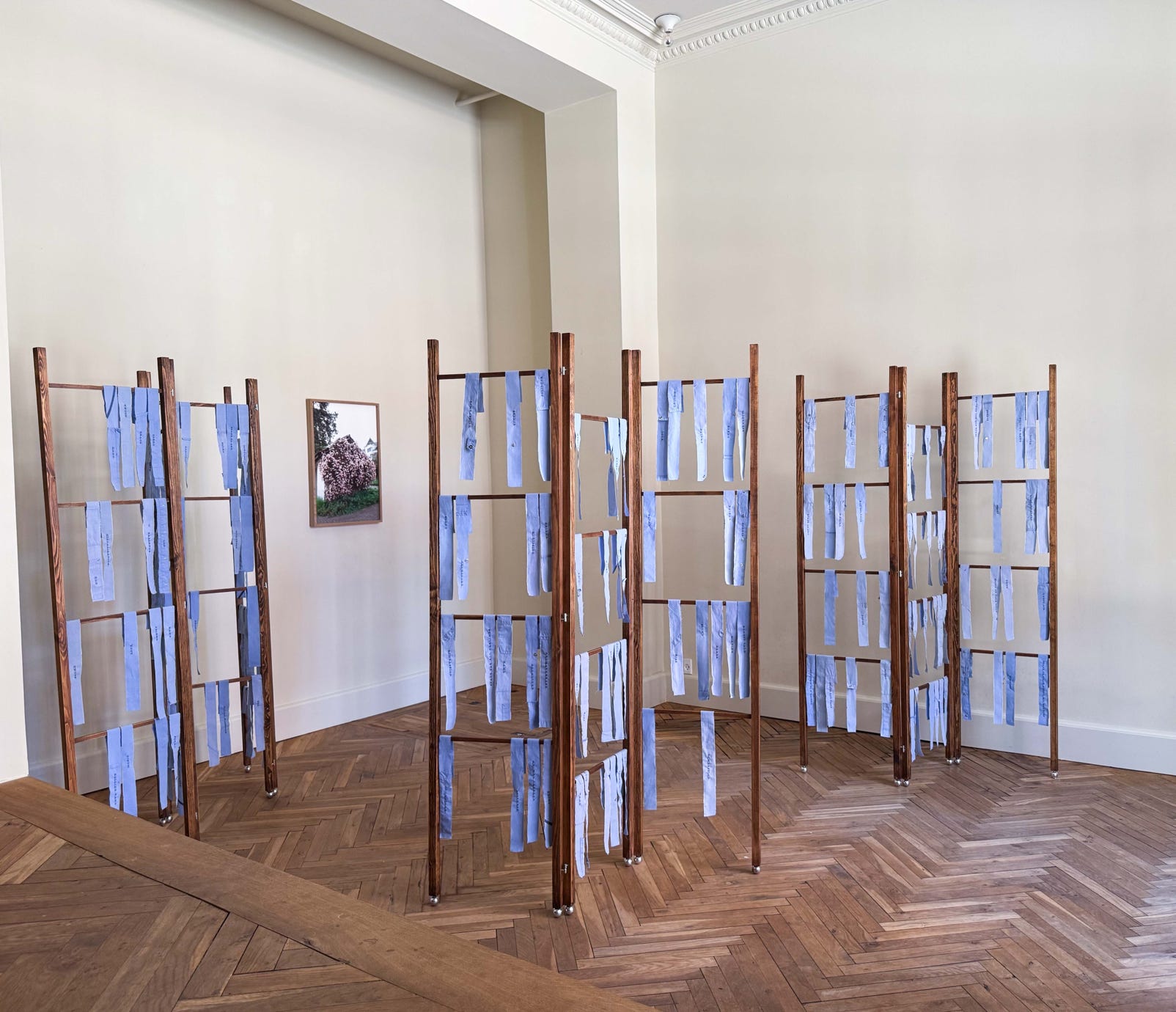
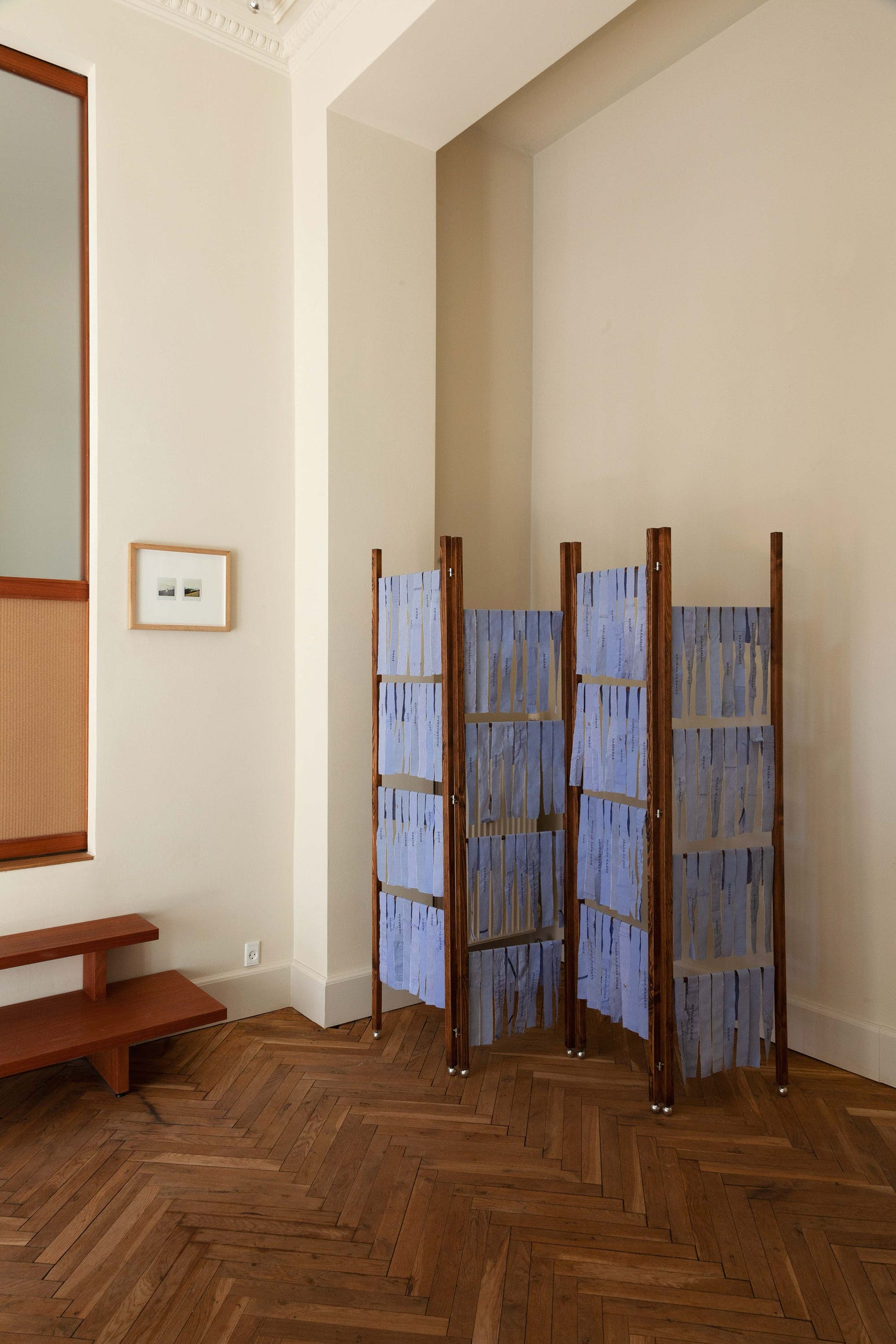
Dividers (2026)
Installation, wood, metal, lavender and textile made from repurposed care worker uniforms, collaboration between Anna Schwartz and Julie Born Schwartz
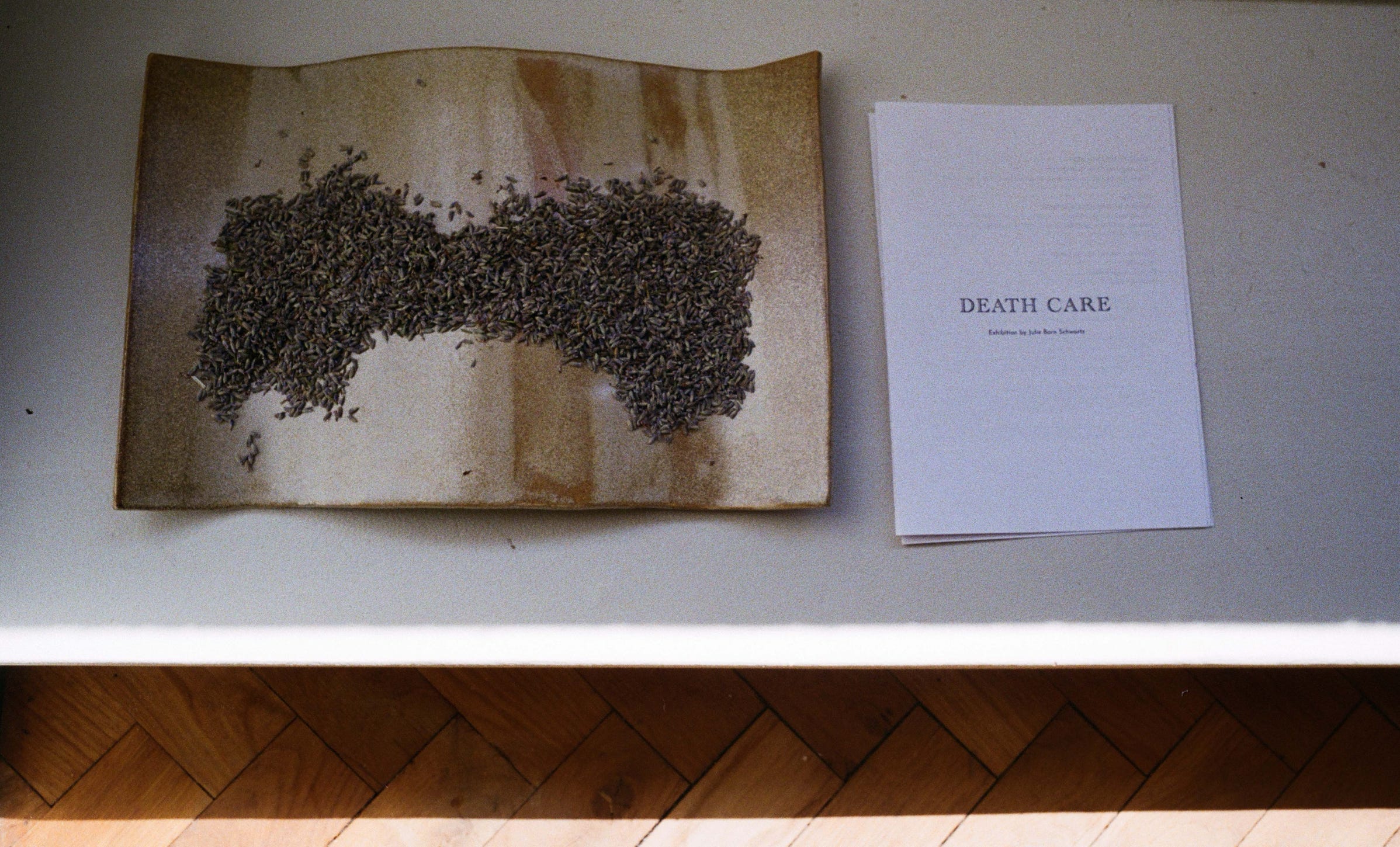
Julie Born Schwartz collaborated with architect and furniture designer Anna Schwartz in an ongoing participatory workshop-installation called “Dividers” that was shown at the “Death Care” exhibition. Here they were interested in exploring “Death Care” in a perpetual changing state. The structures were draped with strips made from the repurposed care worker uniforms, each bearing a written word of care for the dying process of a terminally ill human. Each day the installation was activated with a lavender scent on the strips which had “scent” written on them. Visitors were invited to take home a “Death Care strip”. On several occasions Born Schwartz also sat in the space with a sewing machine and created new strips with words given from the different visitors.




House with Flowers (2026)
Photograph, 72,5 x 48 cm, Edition of 20, by Julie Born Schwartz
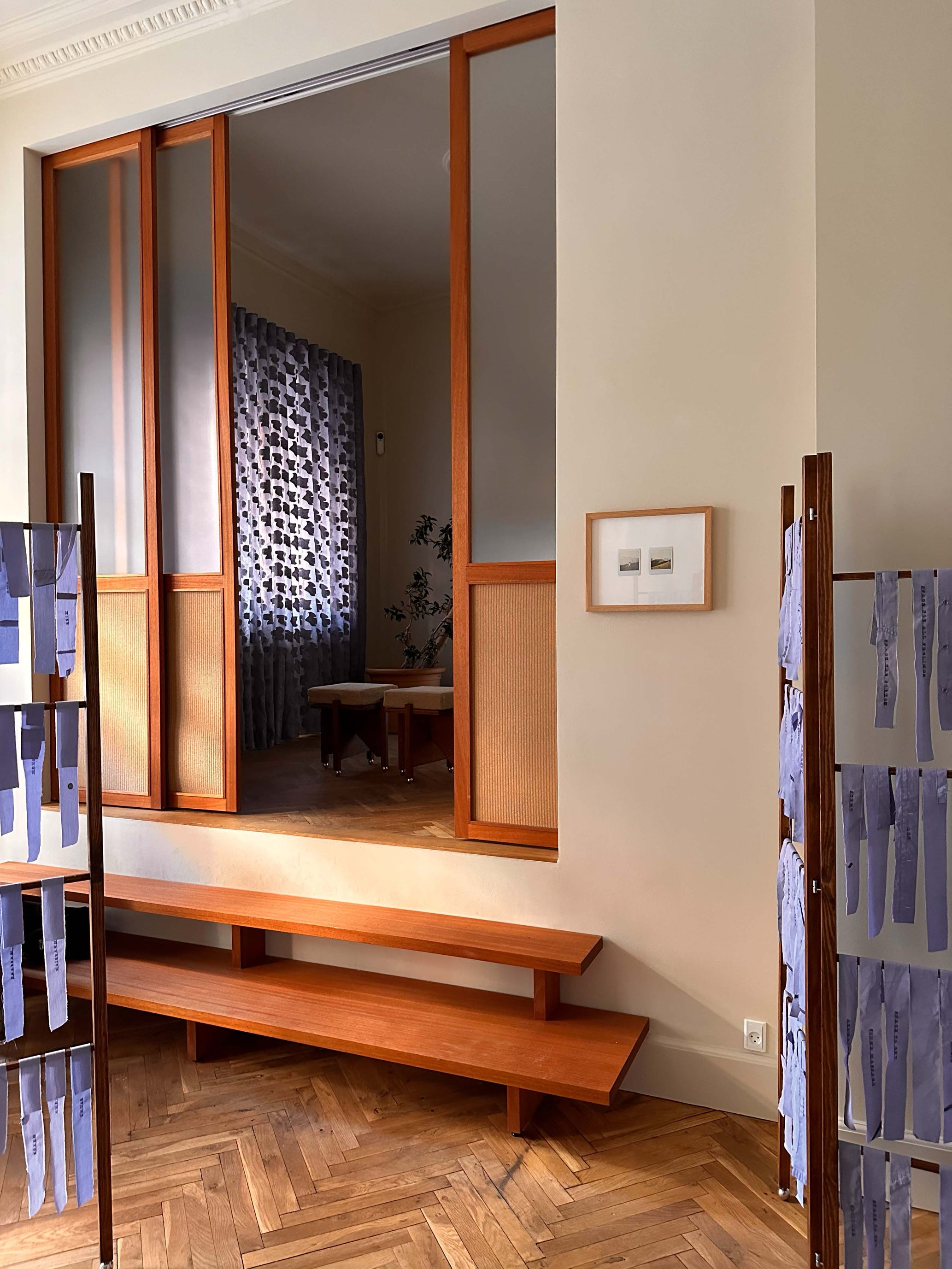
Polaroids, Rigi (2026)
Photographs, 39,5 x 32 cm, edition 1/1, by Julie Born Schwartz



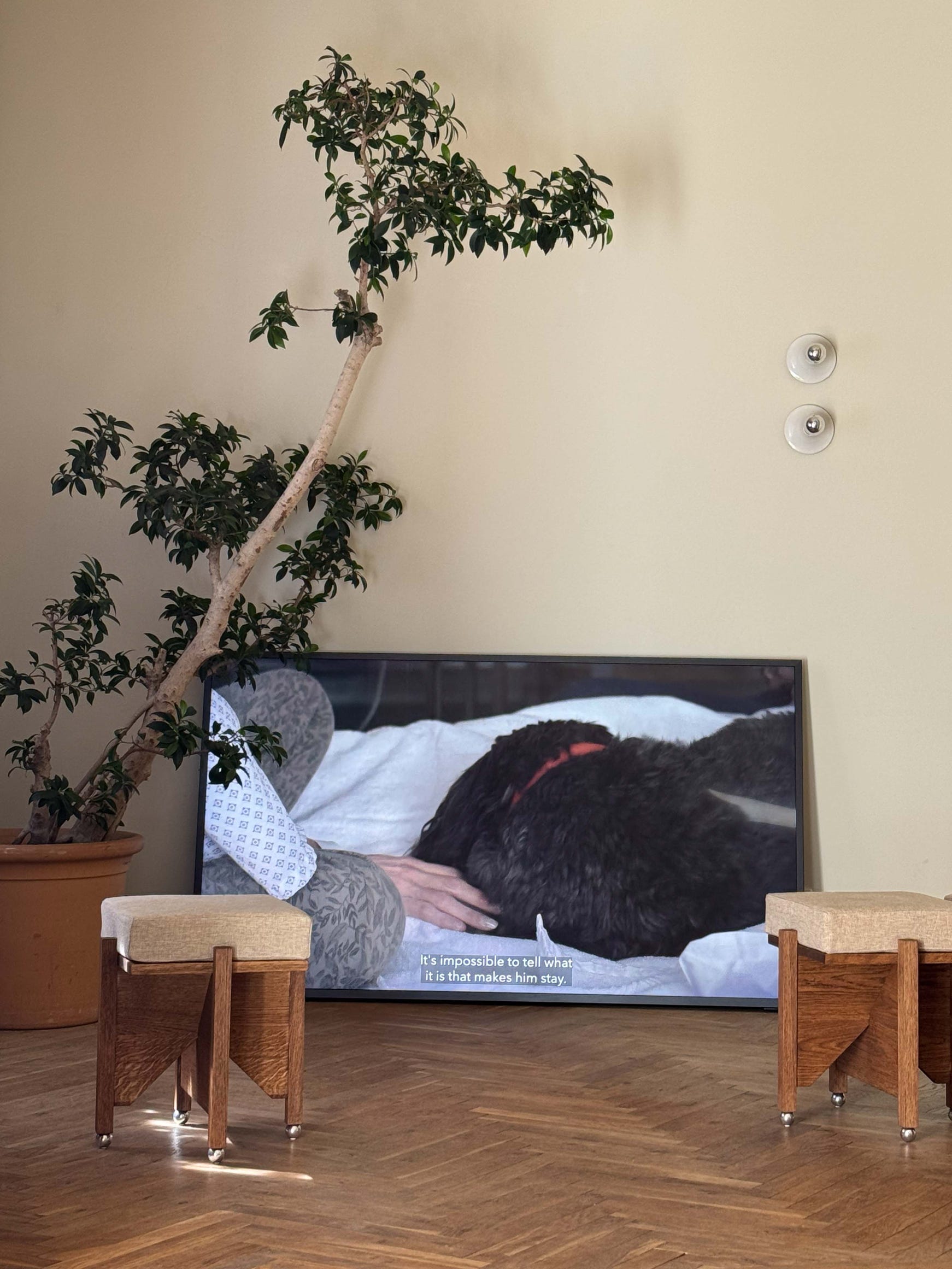
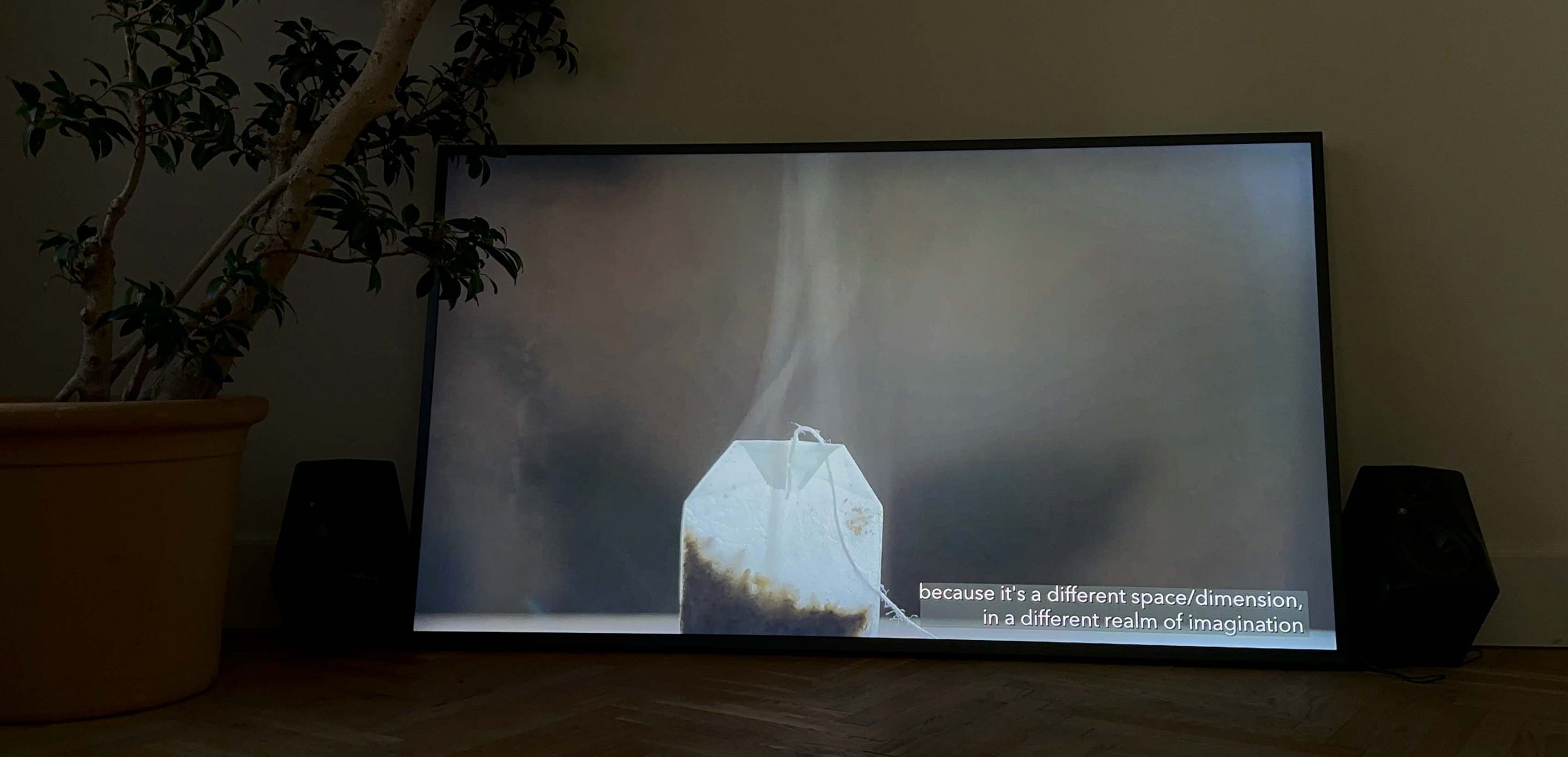
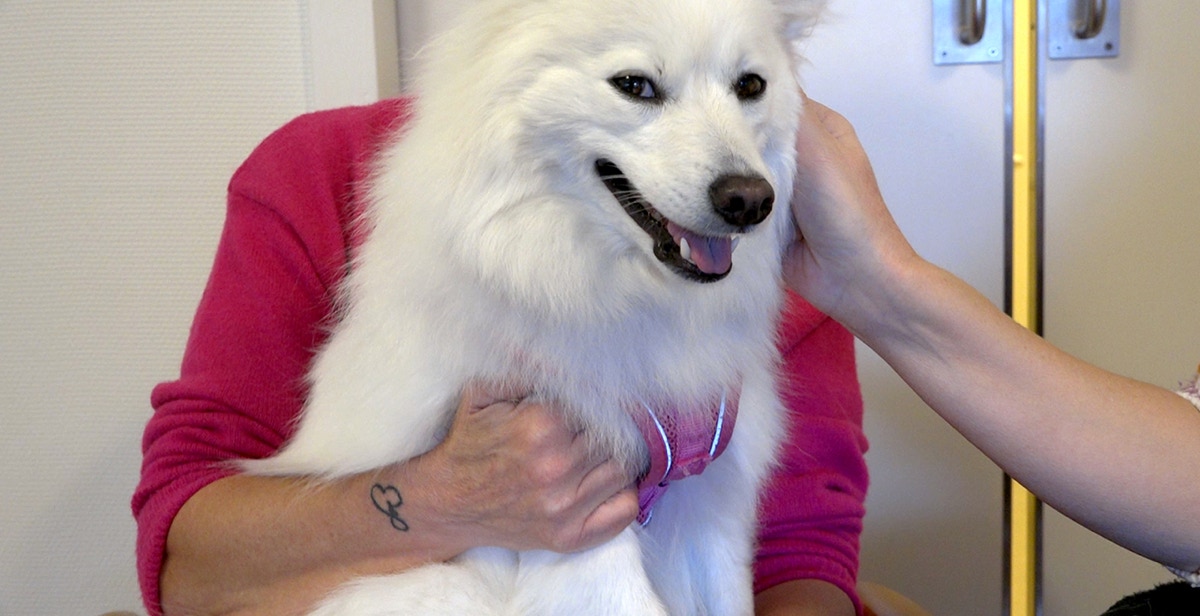
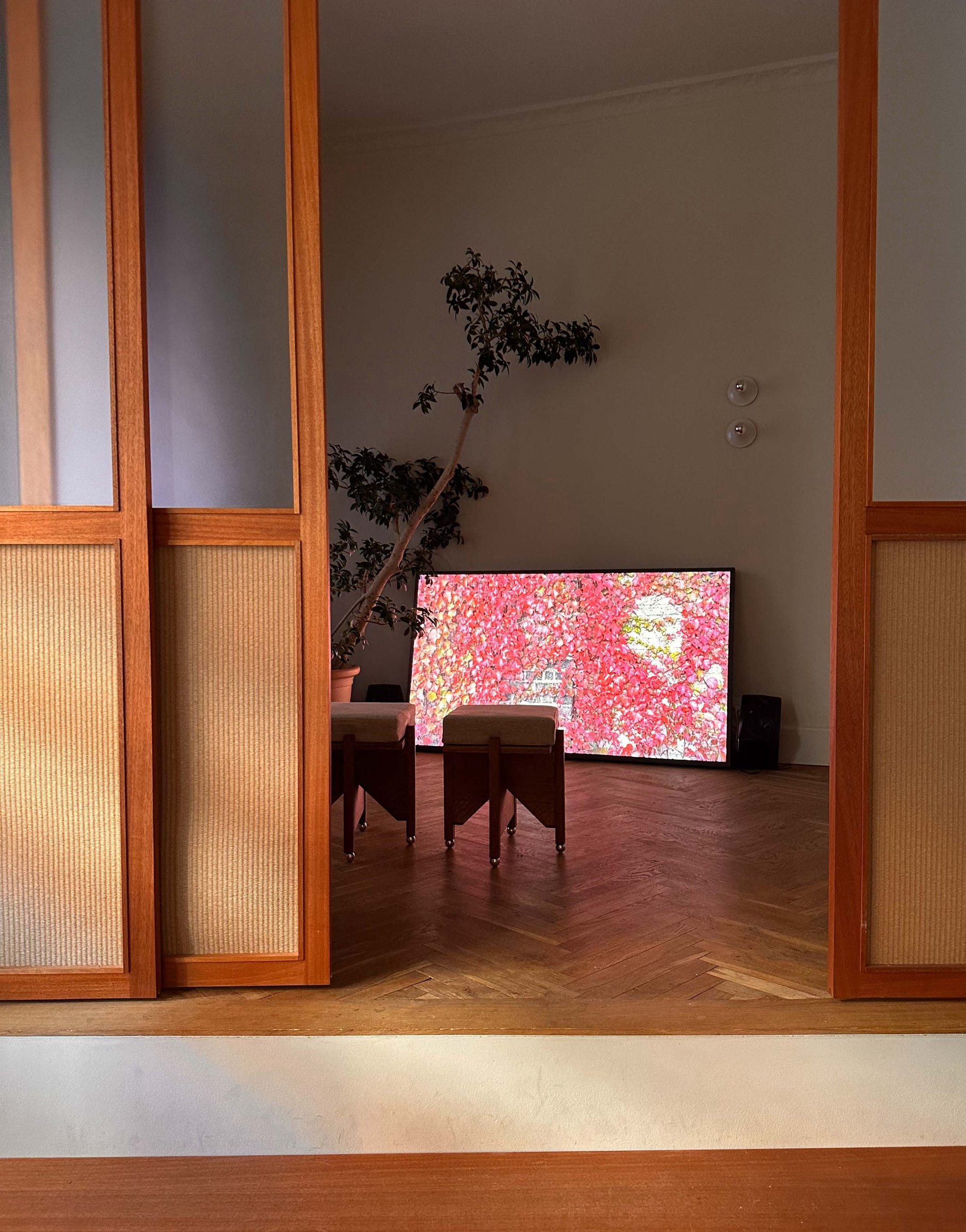
Death Care (2026)
4K video with sound, 32 min, by Julie Born Schwartz







Some day (2026)
Textile piece, 156 x 126 cm, by Julie Born Schwartz
Quote from Charles M. Schulz’s Peanuts

Workshop “Sound, scent, images and care”(2026)
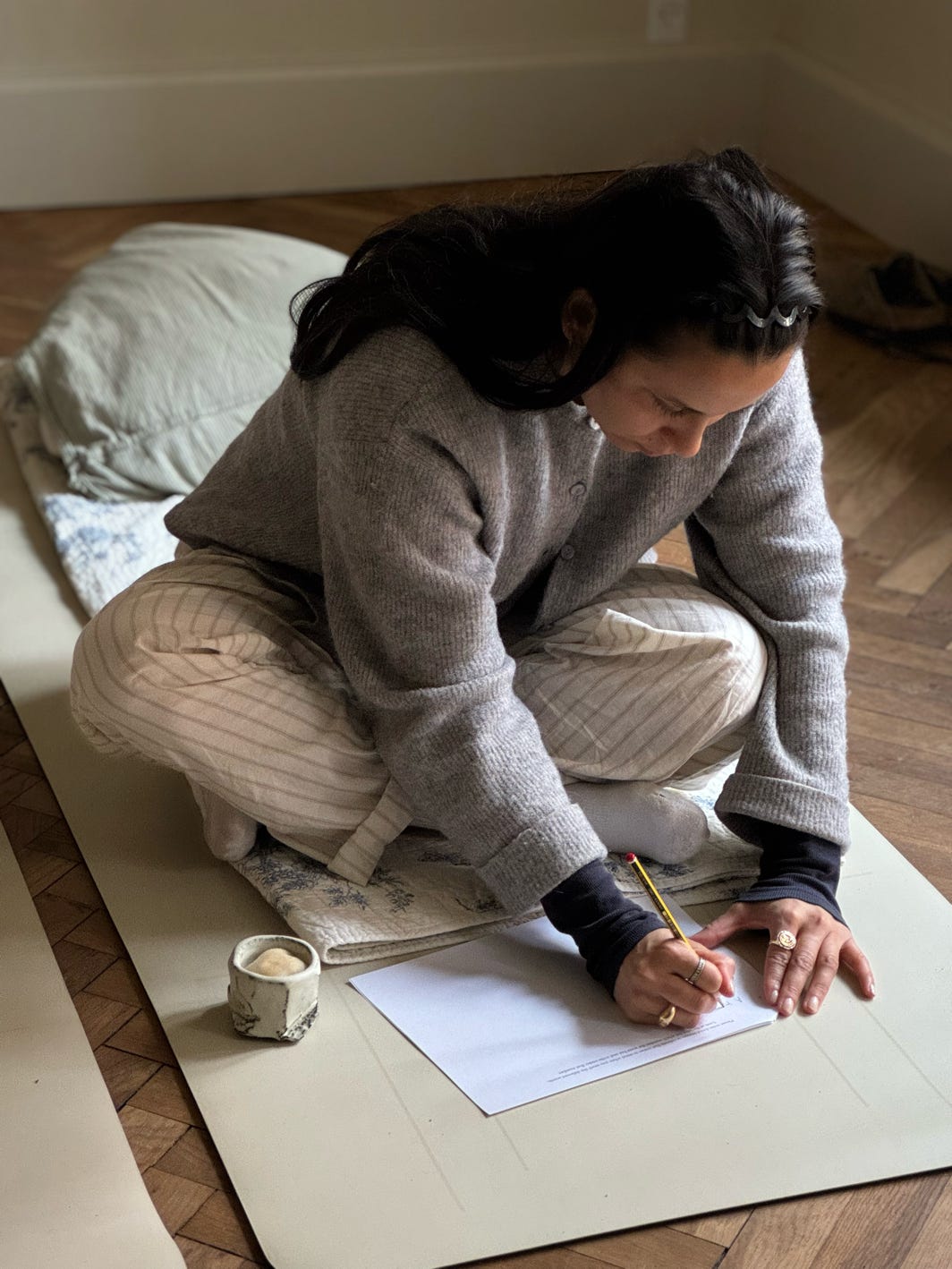
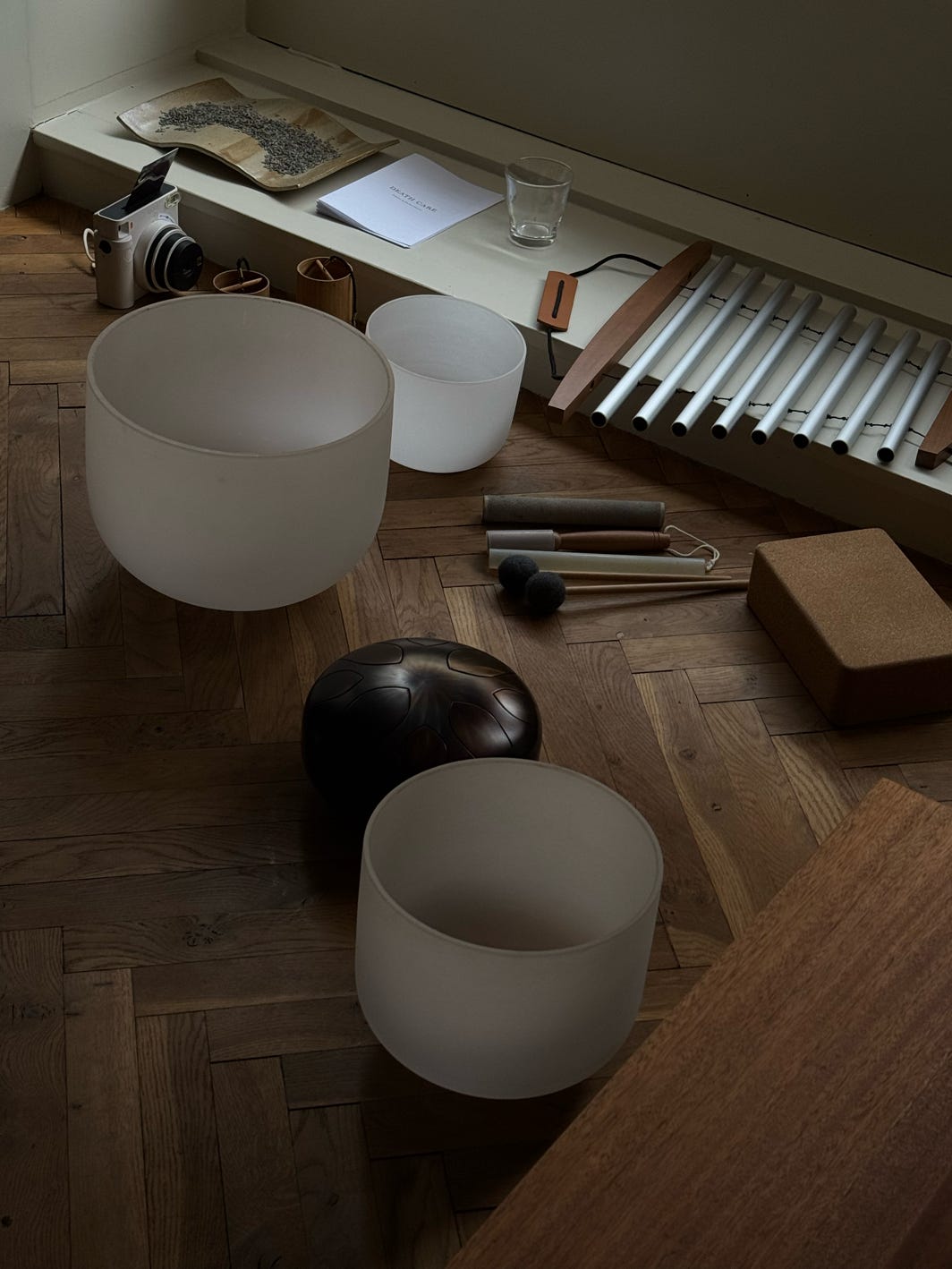
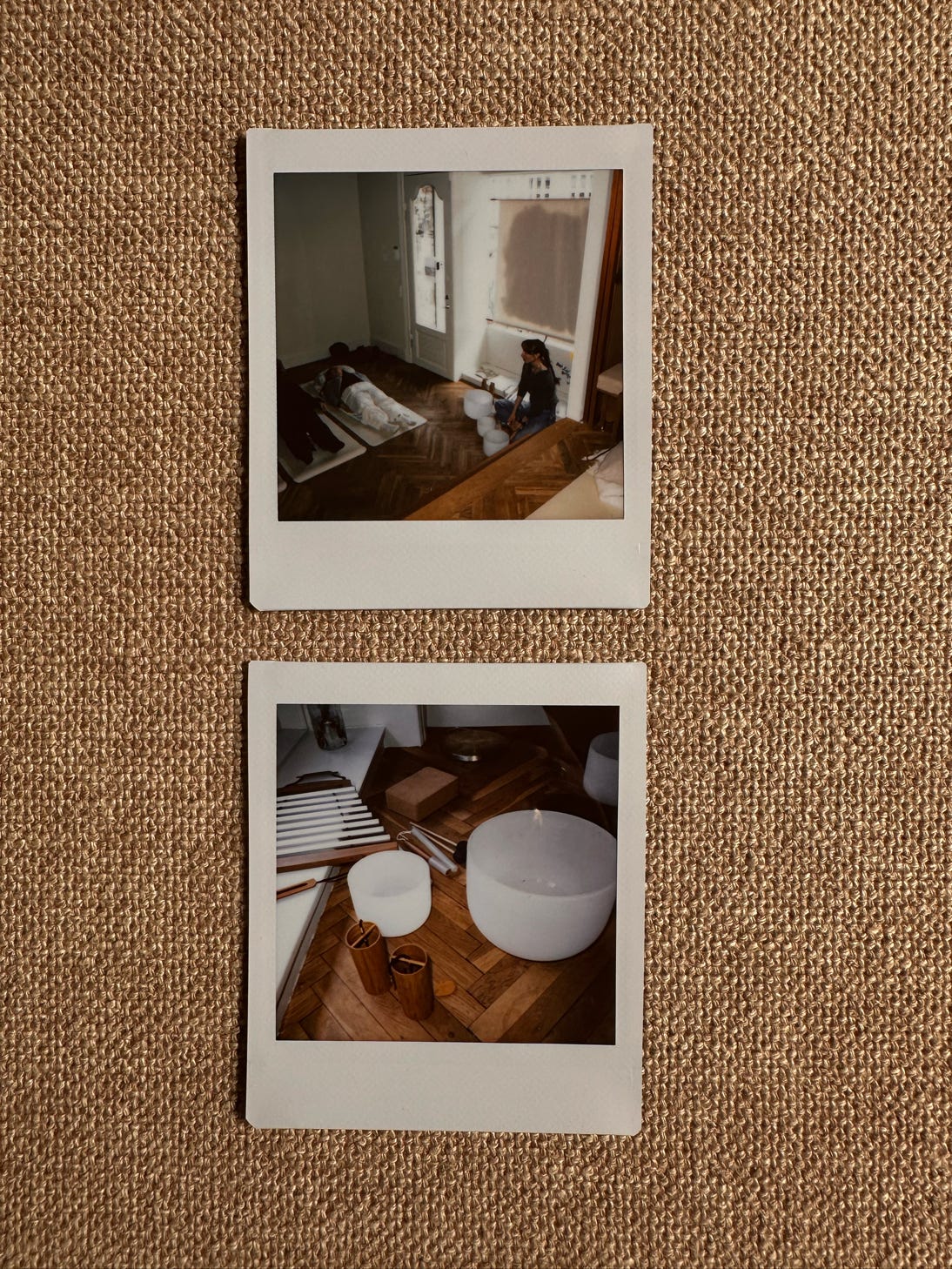
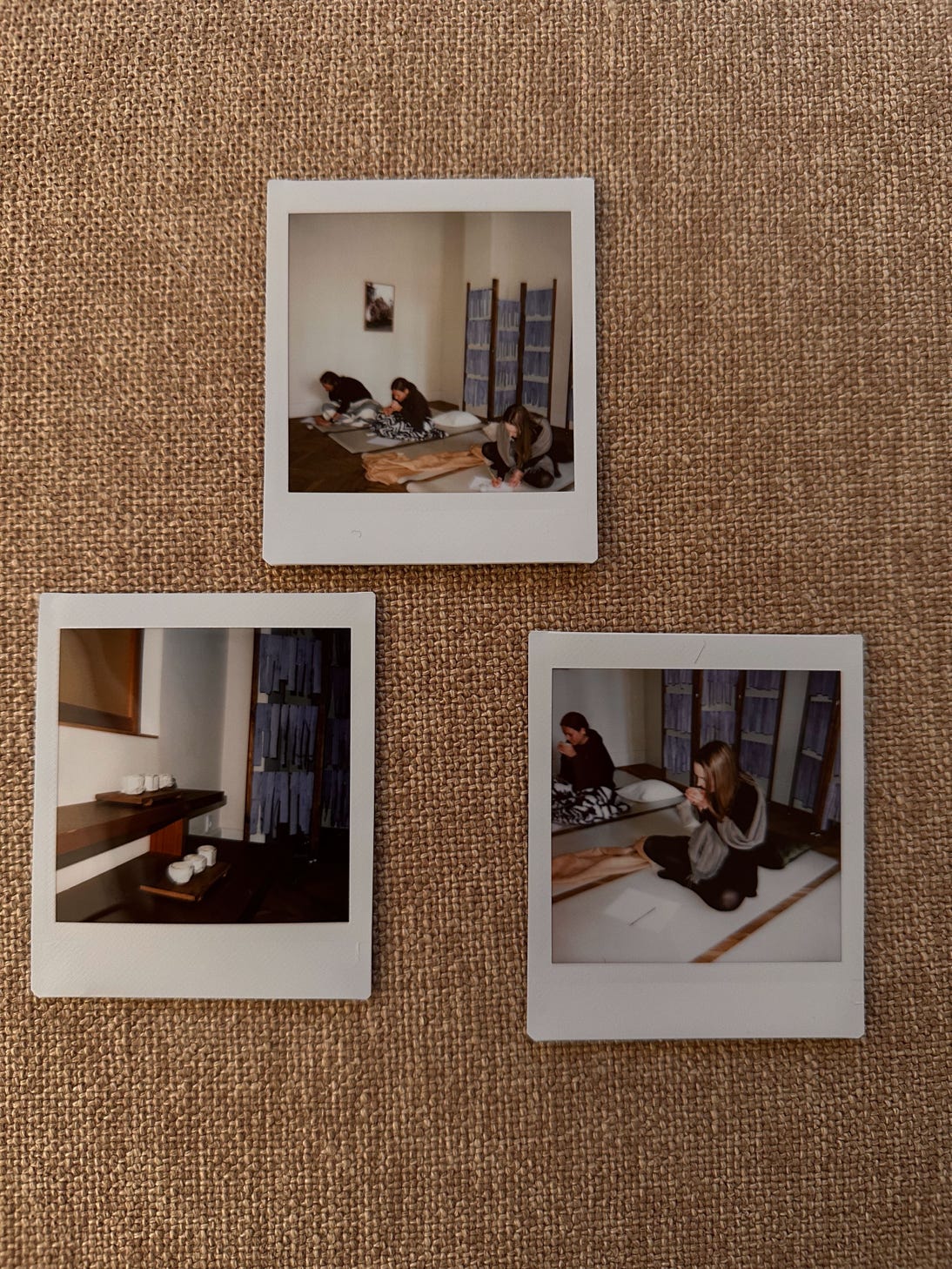
On 16th May 2026 Julie Born Schwartz collaborated with Cecilie Jay, a medical student ( previous BA in Sound Design), on a workshop called “Sound, scent, images and care”. In the workshop they explored sound and scents effects for humans and image making of memories and potential for the use of visualisations. First the participants started the workshop with an experience of a sound bath facilitated by Cecilie Jay. Right after the sound bath Born Schwartz worked with the participants exploring different scents with closed eyes and finding out which images appeared. Each participants wrote down which colours or images that came to their mind in a form out from each numbered scent.

“Death Care” was supported by Institute for Contemporary Art Research (IfCAR) at Zurich University of the Arts, Zurich, Switzerland
Credits:
Nathalie Schwer, space designer
Anna Schwartz, architect and furniture designer
Cecilie Jay, medical student, BA in sound design, and works with sound baths
Frederiksberg Gymnasium visual arts class xz, 2026, Denmark
Elis, care worker uniform factory, Denmark
Art.Handl, Denmark
Vermilion Sands
Zurich University of the Arts, Zurich, Switzerland
University of Art and Design, Linz, Austria
The Institute for Contemporary Art Research (IFCAR) at the research unit of the Department of Fine Arts at Zurich Univeristy of The Arts, Switzerland
PhD group at Zurich University of the Arts Switzerland
University of Copenhagen, Department of Public Health, Section for Health Services Research
Marcel Bleuler
Laura Von Niederhäeusern
Thomas Macho
Sara Tanderup
Flemming Travn Rasmussen
Lars Norman Hestbæk
Kevin Malcolm
Christopher McSherry
Special thanks in regard to the “Death Care” video piece:
Bo, the dog and Christina Mattle
Toto, the dog and Joke Hoes
Yrsa, the dog and Anya Knudsen
Tanja Steinaa
Mathilde Denning
Dany Haas at Spital Affoltern, Palliativstation, Switzerland
All the patients for their time and for sharing their experiences with the dogs:
-At Palliative Care Department at Stadtspital Zürich Waid, Switzerland
-Hospice Sydvestjylland, Esbjerg, Denmark
-Center for Rehabilitering og Akutpleje-Vigerslevvej.
-Afdeling for Lindring- Copenhagen, Denmark
Stadtspital Zürich (City Hospital Zürich). Abteilung für Palliative Care. Palliativstation
Spital Affoltern, Palliativstation, Switzerland
Also a big thanks to all the staff working at the palliative departments:
Noëmi Lehmann and all the people who works in the Palliative Care Department at Stadtspital Zürich Waid
Ingrid Bang and all the people who works at Hospice Sydvestjylland, Esbjerg, Denmark
Bettina Hede Toustrup, Lise Høy Laursen and all the other people working at Center for Rehabilitering og Akutpleje-Vigerslevvej.
Afdeling for Lindring- København, Denmark